CREATE SOMETHING BEAUTIFUL. WITHOUT THE BURNOUT.
The Art of the Environment
Discover why routine and familiarity are the enemies of creativity, and how to turn the world into your studio by mastering the art of environment selection.
Nic Silver
12/17/20253 min read
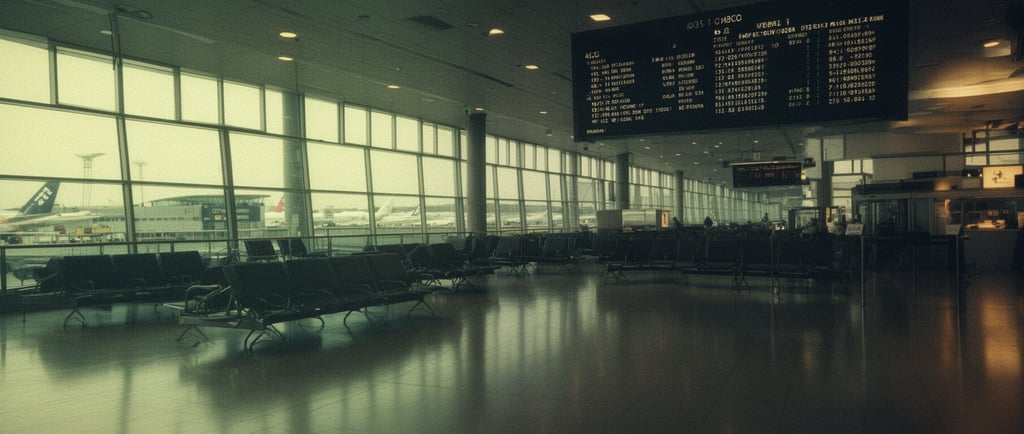
"Build a quiet sanctuary for your creative work."
"A clean consistent environment makes it easier to create consistently."
This is the standard advice most creators give.
But I disagree.
To me, consistency is a discipline but creativity is a living, breathing energy. And nothing kills that energy faster than familiarity.
If you sit in the same room where you sleep, where you eat or where you pay your bills you are surrounded by the mundane. The walls around you remind you of routine and your daily commitments. And this is the enemy of revelation.
If you feel stuck, maybe you have writer's block, it might be due to your environment.
Familiarity is the Enemy of Vision
The brain is designed to expend as little energy as possible. When it knows exactly what to expect like the same desk, the same windows, the same old, it goes on autopilot.
But art requires us to turn autopilot off.
This is why I don't build my studio at home. Instead, my studio is the world.
I always find my best "canvas" in the chaos of a coffee shop, the low hum of a bar or the corner of a busy restaurant. There is a certain energy to these places. The movement of strangers, the clinking of cups, the shift of light. It all creates a backdrop of "aliveness" that silence of my bedroom simply cannot match.
Absolute silence can be deafening (of course sometimes its needed). But it can sometimes put too much pressure on creative insight to appear.
But I find ambient noise kinda distracts the conscious mind just enough to let the subconscious mind run wild. And this is where all the ideas live.
The Intuitive Audit
The way I approach finding my creative sanctuary is the same way I approach creativity in general.
I explore.
I might have a vague idea of where I want to go.
When I walk into a space, I don't look for the power outlet first but I check the vibe.
I pause and simply take in the environment.
"Is there a flow of energy, or is the air stagnant?" or "Do I feel expansive or contracted?". These are questions I ask myself.
If the vibe is off, for example the lighting is harsh or the energy is too frantic, I leave and look for a new place.
Approaching our work as art requires us to be protective of our inputs. We cannot "paint a masterpiece" in a room that drains our spirit. We need an environment that lends us its energy.
The Rules of the Portable Sanctuary
While the location changes, the ritual must remain sacred. The environment provides the inspiration, but your discipline provides the container.
When I sit down at a table, whether it's in a trendy hotel lobby in London or my cozy local café in Trondheim, I still have a few rules I always follow:
1. The Digital Moat
My phone is the greatest saboteur of my art.
It does not belong in my hand nor does it belong next to my laptop.
I place it face down, airplane mode and as far away on the table as I can reach.
It's a statement: "I am here to create, not to be interrupted."
2. Output Before Input
The world is screaming for your attention. Emails, tweets, headlines, notifications.
If you let them in before you have done your work, you have lost the battle.
My rule is simple: No consumption before creation.
No emails, "doomscrolling" or checking analytics. Not until the work is done. You won't hear your own voice if you are busy listening to everyone else's.
3. The Analog Anchor
Before I touch a keyboard, I touch the pen.
I write down my intentions for the session and list the tasks. I then cross them off one by one.
This sounds small, but it anchors me in the physical world. It forces ruthless single-tasking. In a digital world designed to fracture your focus, a pen and paper are weapons of "mass concentration".
Optimize for Inspiration
The content creator tries to optimize their desk for productivity but the content artist optimizes their life for inspiration.
Don't be afraid to leave the comfort of your home. Familiarity is safe, but art is an adventure.
Go find a place where the coffee is strong and tasty or where the noise is buzzing. Find a place that makes you feel alive.
The world is your studio. Go paint in it.